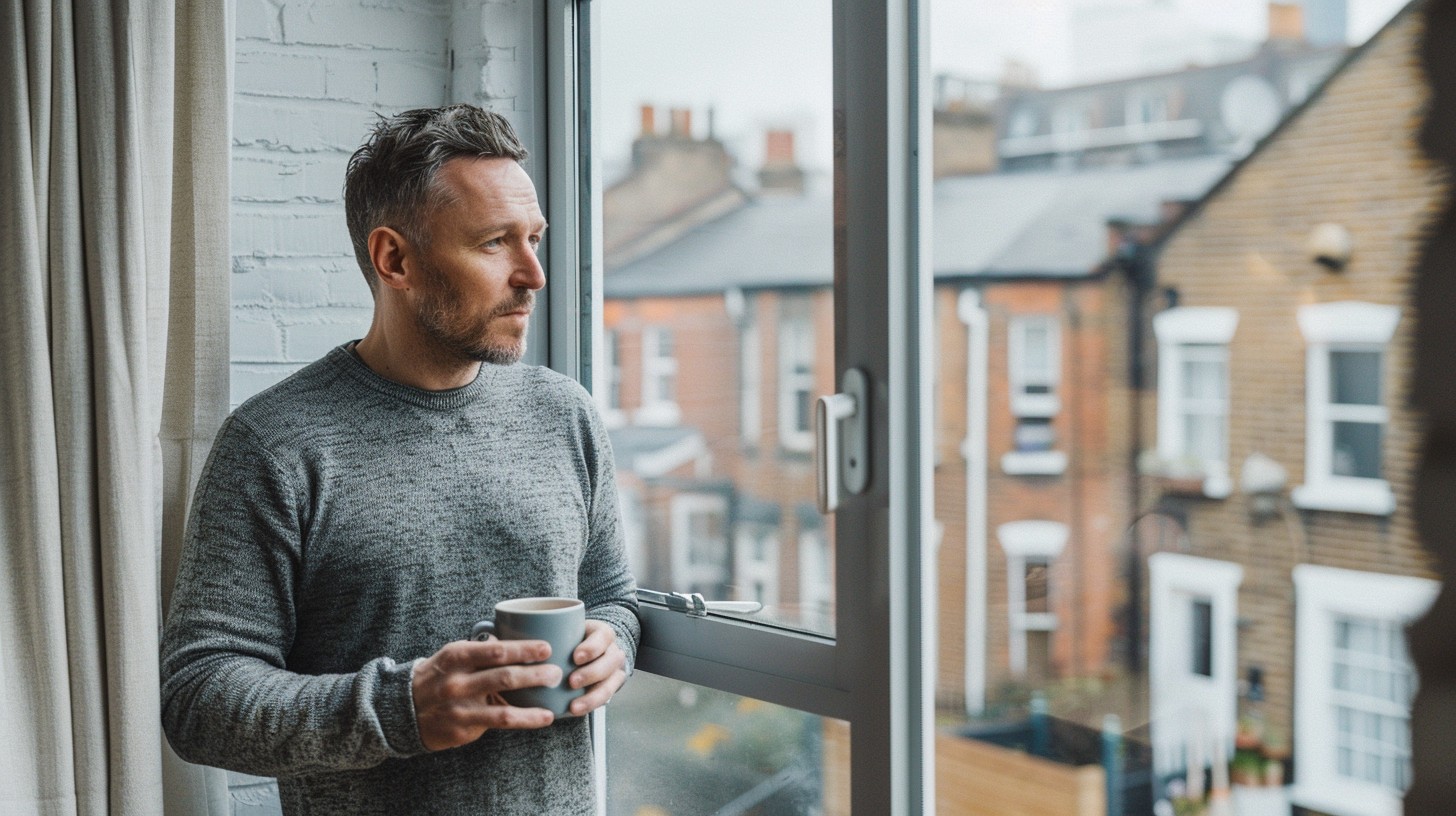
My mum has a particular face she makes. It is not an unkind face – she is not an unkind woman – but it is a face that contains a very specific species of concern, the kind that has been carefully assembled over several years of biting her tongue at the wrong moment and deploying instead a look that communicates everything the tongue was not permitted to say. I know this face well. I have been on the receiving end of it at family gatherings, at Christmas, at the occasional Sunday phone call when the conversation drifts, as it periodically does, toward the subject of my life and its various apparent absences.
The face means: you are thirty-eight years old, you are not married, you do not own property, you have no children, and I love you very much and cannot for the life of me work out what you are doing.
She has never said any of this directly. She doesn’t need to. The face does the work.
Here is the thing I find genuinely fascinating about this situation, and I mean fascinating in the most affectionate possible sense: by almost every measure I can think of, I am doing absolutely fine. I am healthy. I am employed, more or less on my own terms, doing work I mostly enjoy. I have been with the same woman for seven years and we are, by any reasonable assessment, happy together in the specific, undramatic, reliable way that takes years to build and which I think is probably better than the alternative. I sleep well. I laugh most days. My life, to me, from the inside, feels like a life that is working.
And yet. The face.
The Questions, and How They Come
Every person living a life that diverges from the conventional timeline will recognise the texture of these conversations, so I won’t dwell on them at length. But for the record, and in rough order of frequency, here are the questions my life tends to generate in social situations:
When are you two going to get married? (Most common. Tone varies from genuinely curious to faintly accusatory, depending on the source.) Aren’t you worried about renting at your age? (Always phrased as worry on my behalf, which I find touching.) Don’t you want kids? (This one I’ll come back to, because it deserves more care than the others.) And, occasionally, from a specific category of recently-converted homeowner: have you looked into shared ownership?
I have a face of my own for the shared ownership question. My face is more difficult to describe charitably.
What strikes me about all of these, sitting here in 2025 at thirty-eight years old, is not their content but their persistence. These are questions that were available to me at thirty-two, and I answered them then, in my own way, and here they are again, only slightly rephrased, as though the answers I gave six years ago have been discounted and a fresh attempt should be made. There is something quietly magnificent about the human capacity to remain hopeful in the face of all available evidence.
The Marriage Thing
I want to be precise about this, because imprecision here tends to generate its own misunderstandings.
I am not opposed to marriage. I do not have a principled objection to the institution, a traumatic association with it, or a manifesto about the social construction of romantic commitment. I know people for whom marriage has been one of the central good things in their lives, and I mean that without irony. My parents have been married for forty-one years and the evidence suggests it has worked out tolerably well for both of them, the face notwithstanding.
What I have, instead of a ring and a registration, is a relationship that has been tested across seven years – across the particular intimacy of a slightly-too-small flat, across periods of professional stress and personal difficulty and the long stretches of ordinary life that are actually most of it – and which has come through all of that in reasonable shape. My girlfriend and I know each other in the specific, granular, unglamorous way you only know someone after years of close proximity. We know each other’s faults with a clarity that precedes every day. We choose each other anyway, with what I’d describe as informed consent.
Whether there’s a ceremony at some point, I genuinely don’t know. The decision, when it gets made, will be ours. I mention this not as a declaration but because I find it faintly odd that an arrangement requiring no ceremony is somehow read as less committed than one that does, as though the paperwork is load-bearing in a way the relationship itself is not.
The Children Conversation
This one I approach with more care, and I’ll tell you why.
The marriage question is easy to be breezy about because my feelings about it are genuinely breezy – it’s a scheduling matter, essentially, and the absence of a schedule isn’t the absence of anything important. The children question is different. It’s not something I’ve been breezy about, and I’d be doing a disservice to the complexity of it if I played it purely for comedy.
What I’ll say is this: I’m thirty-eight. The question of whether I want children is one I’ve sat with seriously, and continue to sit with, in the way that grown adults in their late thirties tend to – with honesty about time, about desire, about what I think I’m actually suited to, and with respect for the fact that my girlfriend is involved in this question in ways that are considerably more than theoretical. These are conversations we have. They are not conversations I’m going to have here.
What I will push back on is the assumption, encountered reliably in social situations, that the absence of children at thirty-eight constitutes either a tragedy or a failure of imagination. London in 2025 is full of people who have built lives of genuine depth and warmth and purpose without them. Some of those people made a clear choice. Some are still deciding. Some are navigating circumstances that make the question more complicated than the asker might appreciate. The question “don’t you want kids?” almost never accounts for any of this nuance. It arrives with the cheerful bluntness of someone who found a door and is simply checking whether you’ve tried it yet.
I’ve tried the door. I’m thinking about it. That’s where I am.
The Renting Thing, Since We’re Here
I wrote about this in the context of Rutland Road earlier in this blog, so I won’t retread the ground at length. But since we’re doing the full inventory: yes, I rent. I have rented for my entire adult life. I live in one of the most expensive rental markets on earth, in a flat that I like and cannot own, paying monthly to a landlord I deal with through an agency and have met once.
The social weight that attaches to this at nearly forty is something I find genuinely interesting as a cultural phenomenon. Homeownership has become, for my generation, the central metric of having properly arrived – the evidence that you are serious, stable, and deserving of a certain kind of respect that renting somehow withholds. I have friends who purchased in their thirties and talk about their properties with the specific pride of people who have passed a test they studied very hard for. I am happy for them. I mean that. London property is a sound investment if you can access it and the mortgage anxiety is probably worth the equity.
But I notice the implication that runs underneath the question – that renting is something happening to me rather than something I’m doing. The truth is more boring than that. I am a freelance writer living in Hackney. The ownership conversation, for me, involves numbers that are simply what they are. I’ve made my peace with the arithmetic. My life is not on hold while I wait for the tenure to begin.
What Fine Actually Looks Like
Here is my life, as accurately as I can render it.
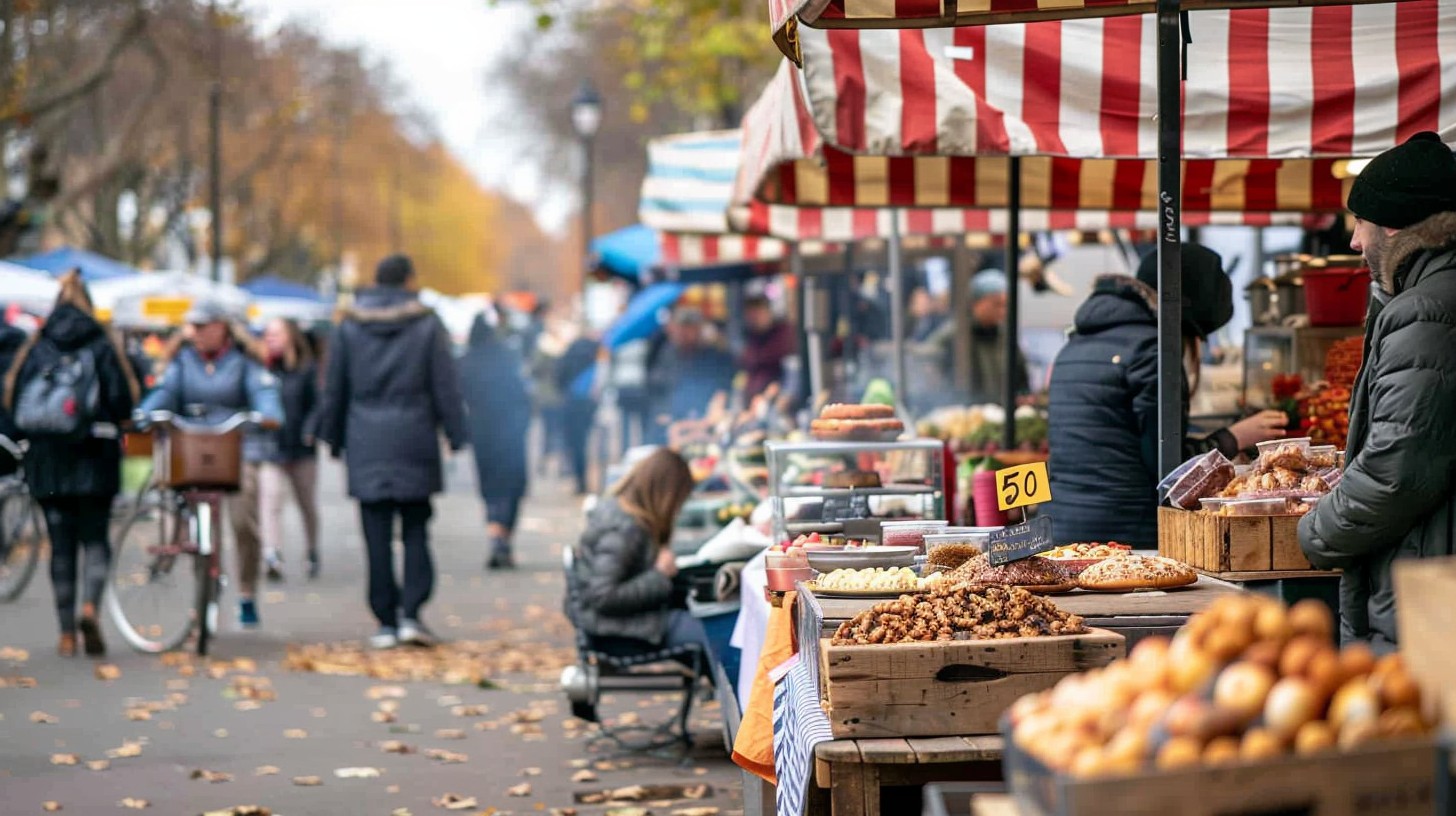
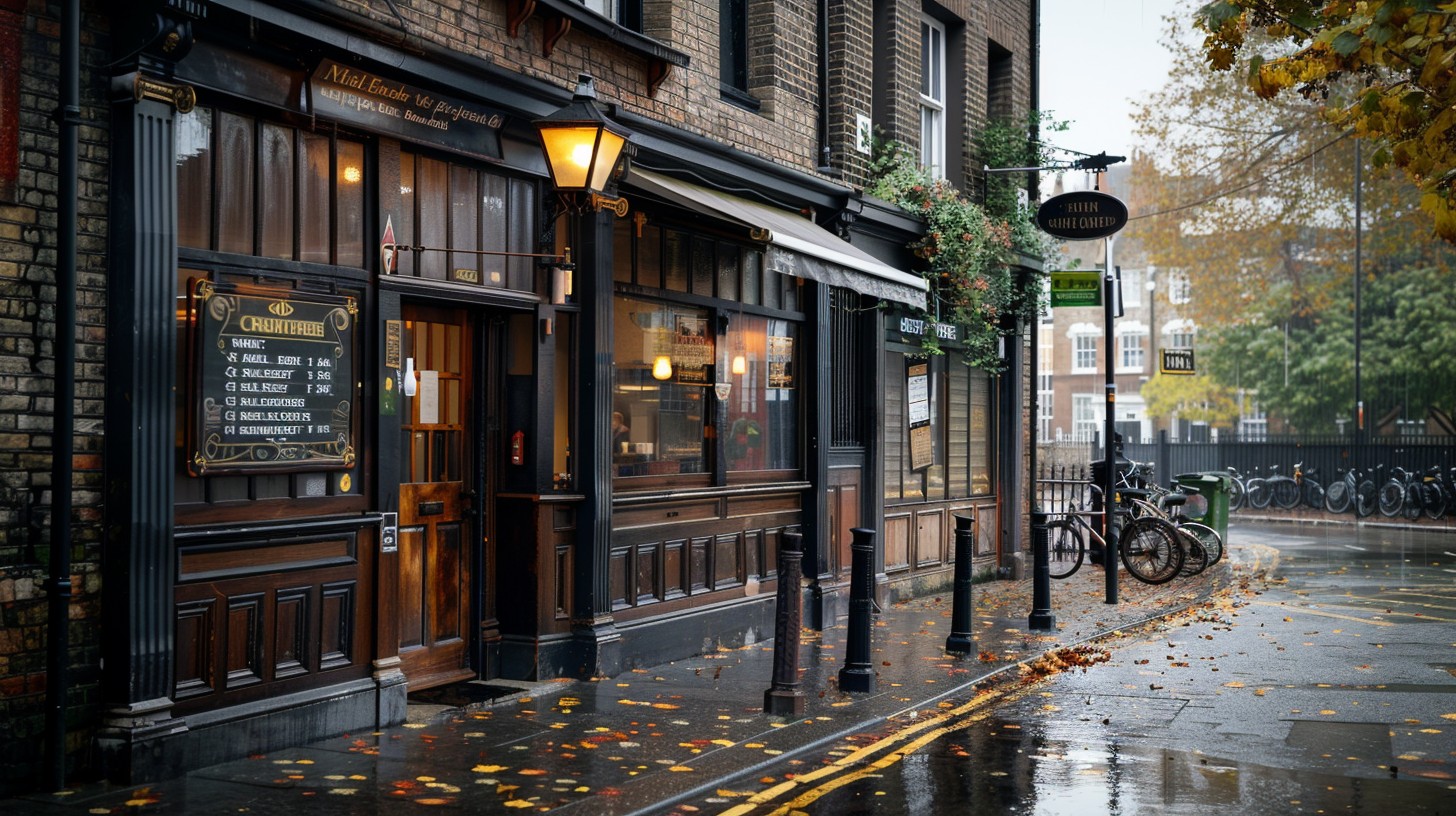
I wake up most mornings in a flat I know well and like, next to a person I love and have chosen repeatedly over seven years. I walk to the market on Sundays. I go to my pub on Saturdays. I write things for a living, which was the plan when I was twenty-two and felt impossible when I was twenty-six and became, somewhere in my early thirties, quietly real. I watch West Ham lose with a philosophical acceptance that I think borders on genuine wisdom. I have not been south of the river in eight months and I feel no pressing urgency about this.
There is no face I would make at my own life. There is no version of it I am secretly wishing I’d taken instead. The life I am living is not the default one, the one that the questions imply I’ve somehow failed to find – but it is mine, in the specific sense that matters, the sense of having actually chosen it rather than fallen into it sideways.
My mum will keep making the face. I love her for it, genuinely, because the face is made of concern and concern is made of love and I’m not ungrateful for either.
But I am, for the record, fine.
More than fine.
I’m just not going to keep explaining it.